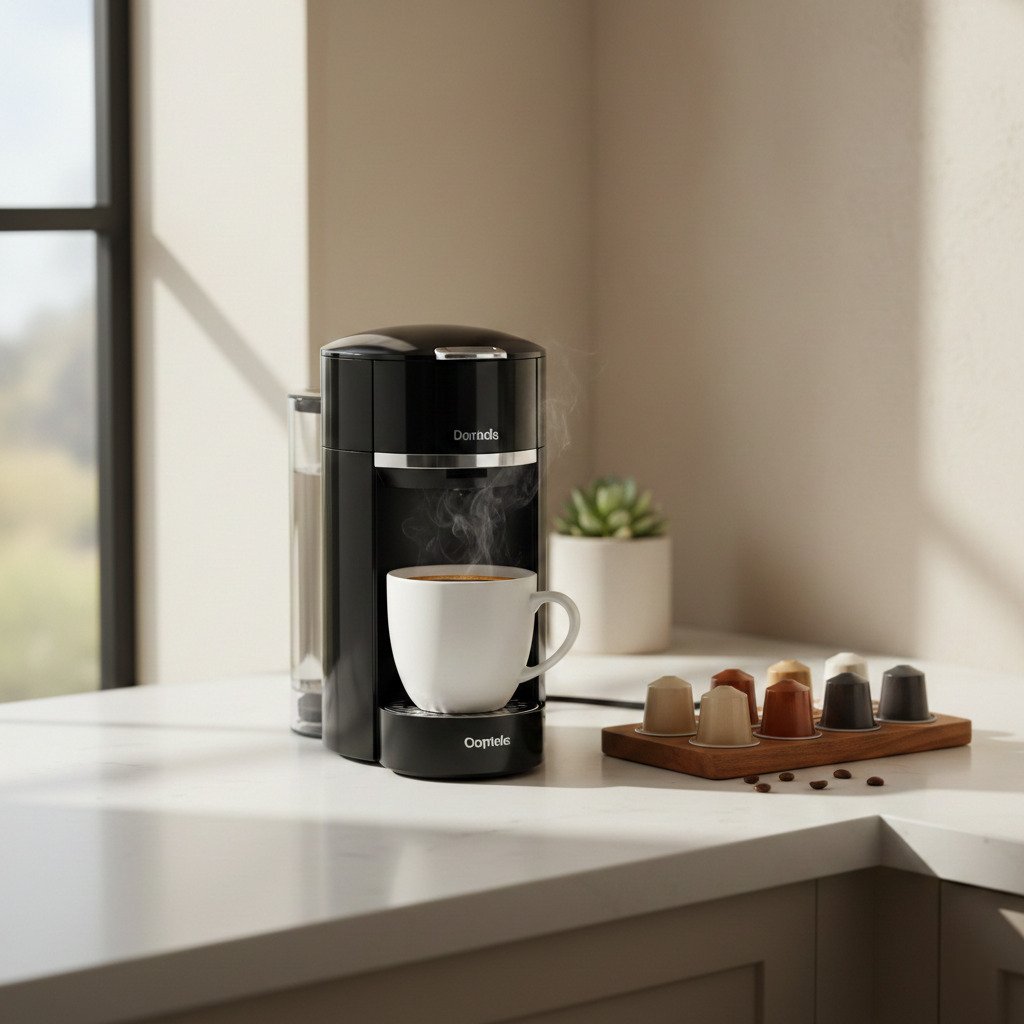

The landscape of home brewing has shifted dramatically, moving from large carafes to precision-engineered individual cups. Whether you are a busy professional or a flavor connoisseur, finding the right equipment is essential for your morning routine. This comprehensive guide explores the world of single-serve coffee makers, detailing how they function, the various types available, and how to choose the perfect model for your lifestyle.
Introduction
In the fast-paced world of 2025, convenience and quality often go hand-in-hand. Single-serve coffee makers have become the gold standard for home and office environments where speed is a priority. These machines allow users to brew a fresh, hot cup of coffee in under a minute with minimal cleanup.
This guide is designed to demystify the technology behind single-serve coffee makers. We will look at the internal mechanics that make these machines tick, compare the different formats available on the market, and provide expert tips on maintenance. By the end of this article, you will have a clear understanding of which system aligns with your taste preferences and daily habits.
What Are Single-Serve Coffee Makers?
Single-serve coffee makers are specialized countertop appliances designed to brew one individual cup of coffee at a time. Unlike traditional drip brewers, these single cup coffee makers utilize pre-measured pods, capsules, or loose grounds to deliver a precise serving, minimizing waste and ensuring a fresh flavor profile for every single brew.
How Single-Serve Coffee Makers Work (Step-by-Step)
Understanding how single-serve coffee makers work can help you troubleshoot issues and appreciate the engineering behind your morning caffeine fix. Most single serve brewers follow a standardized process to move water from the tank to your mug.
The Brewing Process:
- Water Reservoir: The process begins with the water tank. You fill this with cold, filtered water.
- Heating System: Once you press the brew button, a high-powered heating element warms the water to the optimal brewing temperature (usually between 195°F and 205°F).
- Pod or Capsule Insertion: You place a pod into the chamber. As you close the lid, needles puncture the top and bottom of the container.
- Extraction: Depending on the machine, the system uses either gravity-based drip or a high-pressure pump to force the hot water through the coffee grounds inside the pod.
- Brew Time: The machine regulates the flow rate to ensure the water spends just the right amount of time in contact with the grounds, usually between 30 and 60 seconds.
- Cup Size Selection: Modern machines allow you to choose between various volumes, such as 6oz, 8oz, or 10oz, by adjusting the amount of water pumped through the system.
Types of Single-Serve Coffee Makers
The market is filled with diverse options, ranging from budget-friendly drip styles to high-end espresso units. Choosing between them depends on whether you value speed, cost, or the “crema” on top of your drink.
Pod-Based Coffee Makers (K-Cup Style)
These are perhaps the most common single cup coffee makers found in North American homes. Keurig machines are the primary example of this category, using plastic pods filled with ground coffee and a paper filter.
- How it works: Hot water is injected into the pod at low pressure, mimicking the drip method.
- Pros: Enormous variety of flavors; widely available; very easy to use.
- Cons: Higher cost per cup than loose grounds; plastic waste (though many are now recyclable).
- Best for: Families or offices where everyone wants a different flavor or roast.
Capsule Espresso Machines (Nespresso Style)
Nespresso machines represent the premium tier of single-serve brewing. These use aluminum capsules and high-pressure pumps.
- How it works: The machine uses up to 19 bars of pressure to force water through the capsule, creating an espresso-style shot with a rich layer of foam (crema).
- Pros: Authentic espresso taste; sleek machine designs; compact size.
- Cons: Capsules can be more expensive; smaller drink sizes (unless using a Vertuo model).
- Best for: Espresso lovers and those who enjoy lattes or cappuccinos.
Ground Coffee Single-Serve Brewers
If you prefer using your own beans, these machines offer a “scoop and brew” approach without the need for pre-packaged pods.
- How it works: You place loose grounds into a permanent mesh filter. The machine then drips hot water over them directly into your mug.
- Pros: Most eco-friendly option; lowest cost per cup; allows for ultimate freshness.
- Cons: Requires more manual effort (scooping and cleaning the filter).
- Best for: Budget-conscious drinkers who want to use specific local beans.
Hybrid Single-Serve + Carafe Machines
For those who occasionally host guests, hybrid machines offer the best of both worlds by featuring a pod side and a traditional 12-cup carafe side.
- How it works: Two separate water paths and heating elements allow you to choose between a single pod or a full pot.
- Pros: Versatile; saves counter space by replacing two machines.
- Cons: Larger footprint than a standard single-serve unit.
- Best for: Entertaining and households with varying coffee needs.
Portable Single-Serve Brewers
Perfect for travelers and campers, these compact units often require no electricity, using manual pumps or battery power instead.
- How it works: You add hot water and a pod or grounds, then use a hand pump to create the pressure needed for extraction.
- Pros: Lightweight; works anywhere; durable.
- Cons: Requires a separate source of hot water.
- Best for: Hikers, commuters, and travelers. You can learn more about these in our portable coffee makers guide.
Key Features to Look For
When shopping for pod coffee makers, certain features can significantly impact your daily experience.
- Brew Strength Control: Some machines offer a “Strong” button that slows down the water flow to increase extraction time, resulting in a bolder cup.
- Cup Size Options: Ensure the machine accommodates your favorite mug. Some units have adjustable drip trays to fit tall travel thermoses.
- Water Reservoir Size: A larger reservoir means fewer trips to the sink. If you drink several cups a day, look for a 60oz capacity or larger.
- Pod Compatibility: Check if the machine is “locked” to a specific brand or if it accepts third-party pods and reusable filters.
- Pressure System: If you want espresso, ensure the machine uses a pump-driven system rather than just gravity.
- Build Quality: Look for metal components or reinforced plastics if you plan on heavy daily use.
To enhance your setup further, don’t forget to check our coffee accessories guide for the best milk frothers and pod organizers.
Single-Serve Coffee Maker Categories
To help you narrow down your search, here is how the top machines generally categorize by use case:
| Category | Description |
| Best for Beginners | Simple one-button interfaces with no complex settings. |
| Best for Small Kitchens | Slim designs (under 5 inches wide) with removable reservoirs. |
| Best for Office Use | Large water tanks and fast brew cycles for back-to-back use. |
| Best for Espresso-Style | High-pressure systems that produce crema and intense flavor. |
| Best Budget Option | Basic models that focus on the essentials of drip brewing. |
When deciding between the two market leaders, the keurig vs nespresso debate often comes down to whether you prefer a large mug of coffee or a concentrated espresso shot.
Choosing the Right Coffee for Single-Serve Brewing
The machine is only half of the equation; the coffee you put inside matters just as much.
- Pod vs. Capsule: Remember that K-Cups (pods) are for drip coffee, while Nespresso-style capsules are for espresso. They are not interchangeable.
- Roast Levels: Because single-serve machines brew quickly, a medium roast coffee often provides the most balanced flavor profile, offering a mix of acidity and body.
- Flavor Profiles: Pods come in everything from “Donut Shop” blends to vanilla and caramel. Stick to unflavored pods if you want to taste the true origin of the beans.
- Freshness: Check the “best by” date on your pod packaging. While pods are nitrogen-sealed, they can still lose vibrancy over time.
How to Make Better Single-Serve Coffee
Even the most basic single-serve brewers can produce high-quality results with a few professional tweaks. Follow these steps for a better cup:
- Preheat the Machine: Run a “water-only” cycle first. This warms up the internal components and your mug, ensuring your coffee stays hot.
- Use Filtered Water: Coffee is 98% water. Using filtered water prevents “off” flavors and reduces mineral buildup inside the machine.
- Choose the Right Pod: Match the roast level to the brew size. Use a dark roast if you are brewing a large 12oz cup to avoid a watery taste.
- Clean the Needle: Use a paperclip or a dedicated tool to clear any coffee grounds stuck in the exit needle.
- Descaling Regularly: This removes calcium deposits that can slow down your machine and affect the temperature.
Common Single-Serve Coffee Maker Mistakes
Many users accidentally shorten the lifespan of their single-serve coffee makers or settle for mediocre flavor. Avoid these common pitfalls:
Using old pods is a primary cause of bitter or flat coffee. Even though pods are sealed, the grounds inside eventually oxidize. Another error is not cleaning the needle, which leads to clogs and overflowing. Ignoring descaling will eventually cause the heating element to fail. Finally, choosing the wrong cup size (like brewing 12oz with a light roast pod) often results in a weak, translucent drink.
Maintenance & Cleaning
A clean machine is the secret to longevity and great taste. Here is a routine to follow for your single cup coffee makers.
Daily Cleaning
- Empty the used pod bin.
- Rinse the drip tray to prevent sticky residue.
- Wipe down the exterior with a damp cloth.
Weekly Deep Clean
- Wash the water reservoir and lid with warm, soapy water.
- Clean the pod holder assembly to remove oils and stray grounds.
- Leave the reservoir lid open overnight to air dry and prevent mold.
Monthly Descaling
- Use a citric acid-based descaling solution or white vinegar.
- Run the solution through the machine, followed by three cycles of fresh water to rinse. This ensures the heating system remains efficient.
Frequently Asked Questions
Are single-serve coffee makers worth it?
Yes, for many. They offer unparalleled convenience and consistency. While the cost per cup is higher than bulk brewing, the lack of waste and the speed make them a favorite for individuals and busy households.
What is the difference between K-Cup and Nespresso?
The main difference is the brewing method. K-Cup vs Nespresso essentially comes down to drip coffee versus espresso. K-Cups use a filter and low pressure, while Nespresso uses high pressure and no paper filter.
Do single-serve machines make real espresso?
Only those with high-pressure pumps (like Nespresso or certain specialty brewers) make authentic espresso. Standard pod machines make “espresso-style” concentrated coffee but lack the pressure for true crema.
How often should I descale my single-serve coffee maker?
You should descale every 3 to 6 months, depending on the hardness of your water. Many modern machines have a “descale” light that will alert you when it is time.
What pods or capsules taste best?
Taste is subjective, but aluminum capsules often preserve freshness better than plastic pods. Specialty roasters now offer high-end pods that provide a much better experience than grocery store brands.
Can I use ground coffee in a single-serve machine?
Yes, most pod-based machines are compatible with a reusable filter accessory. This allows you to use your own loose grounds, saving money and reducing environmental impact.
Conclusion
Finding the right balance of convenience and flavor is easy once you understand the technology behind single-serve coffee makers. From the high-pressure extraction of espresso capsules to the versatile “scoop and brew” systems, there is a machine for every type of coffee drinker in 2025. By maintaining your brewer and choosing high-quality beans, you can enjoy café-quality beverages from the comfort of your kitchen.