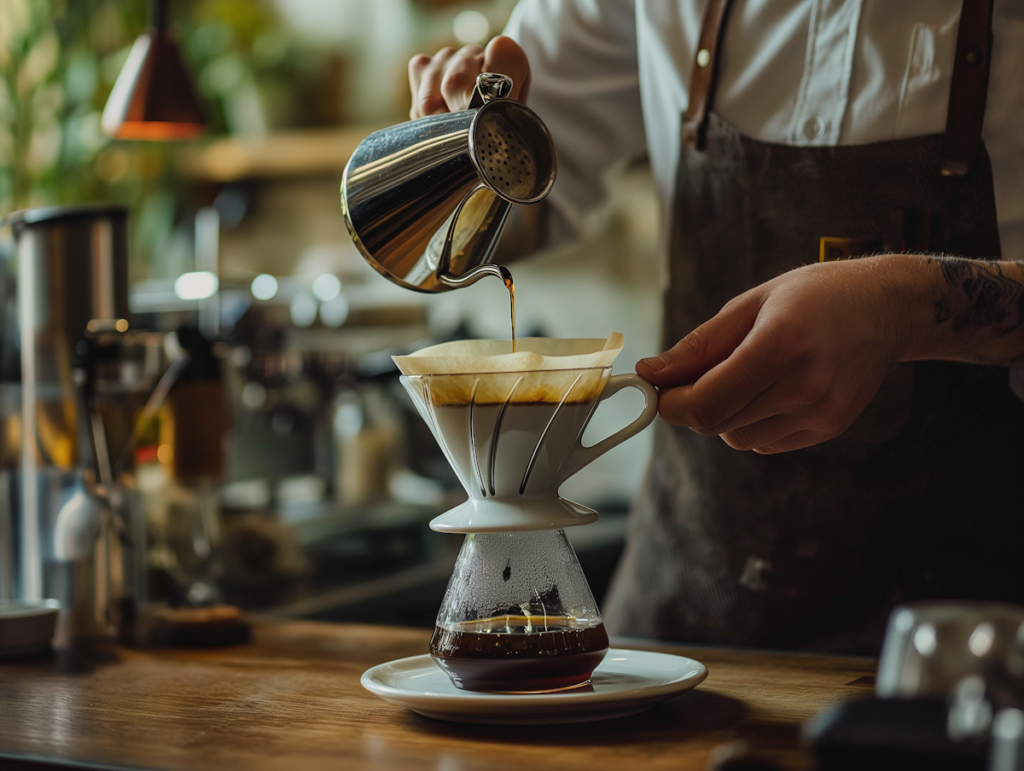

Finding essential coffee accessories is the first step for any casual drinker transitioning into a home barista. This exciting journey into flavor and craft depends on more than just high-quality beans; it requires the right tools to ensure excellence. Whether you are perfecting a complex pour-over or pulling a rich shot of espresso, having proper gear is the only way to achieve consistency.
In this comprehensive 2025 guide, we will explore the fundamental gear that elevates your kitchen setup. From high-precision coffee grinders and versatile milk frothers to essential coffee scales, pour-over kettles, and specialized barista tools, we will break down exactly what you need. This guide is designed to help you navigate the vast market of coffee gear, ensuring you select the right filters and home barista tools tailored to your specific brewing method.
What Are Coffee Accessories?
Coffee accessories are specialized tools and equipment used alongside a coffee maker to enhance the extraction, flavor, and preparation of coffee. Essential coffee accessories include grinders for fresh grounds, scales for precision, and kettles for temperature control, all of which work together to ensure a professional-quality brew at home.
Must-Have Coffee Accessories (Full Breakdown)
To build a functional home coffee station, you must understand the role of each piece of equipment. Let’s dive into the core categories of coffee gear that every enthusiast should consider.
Coffee Grinders
The most critical investment in your coffee journey is undoubtedly the grinder. Without a uniform grind size, your extraction will be uneven—leading to a cup that is simultaneously sour and bitter.
- Manual Grinders: These are ideal for those who value portability and a tactile experience. They are often more affordable and provide excellent grind consistency for pour-over and French press.
- Electric Grinders: For convenience and speed, electric burr grinders are the industry standard. Look for “burr” grinders rather than “blade” grinders to ensure the beans are crushed into uniform particles rather than chopped into uneven shards.
Understanding grind size importance is the first step toward mastery. A fine grind is necessary for espresso, while a coarse grind is vital for cold brew. If you are looking for the best coffee grinders, focus on models that offer a wide range of adjustable settings.
Milk Frothers
If you enjoy milk-based drinks like lattes, cappuccinos, or flat whites, a high-quality frother is essential for achieving that silky “microfoam” texture.
- Handheld Wand Frothers: Battery-operated and budget-friendly, these are great for a quick foam but require some technique to get the texture right.
- Electric Aerators: These standalone carafes heat and froth the milk simultaneously with the push of a button.
- Steam Wands: Usually attached to espresso machines, these provide the most professional results for those practicing milk frothers for latte art.
The goal of a frother is to incorporate tiny air bubbles into the milk, creating a creamy mouthfeel that complements the intensity of the coffee.
Coffee Scales
In the world of specialty coffee, “eye-balling” your measurements is a recipe for inconsistency. Using a scale allows you to follow precise brew ratios (the weight of water relative to the weight of coffee).
- Precision: Look for scales that measure to the 0.1-gram increment.
- Timer Function: Many precision coffee scales include built-in timers, which are crucial for monitoring extraction time in pour-over and espresso brewing.
By weighing your coffee and water, you can replicate your best results every single morning, removing the guesswork from your routine.
Barista Tools
Once you move into the realm of espresso, a specific set of barista tools becomes necessary to manage the puck preparation process.
- Tampers: These are used to compress the coffee grounds evenly in the portafilter.
- Milk Pitchers: Specifically shaped stainless steel jugs that allow for controlled pouring
- Thermometers: Essential for ensuring you don’t scald the milk, which can ruin the natural sweetness.
Whether you are a hobbyist or an aspiring pro, a well-curated barista tools kit streamlines your workflow and keeps your station organized.
Filters & Kettles
The way you pour your water and the way you filter your grounds significantly impact the clarity of the final cup.
- Gooseneck Kettles: These have a long, slender neck that provides a slow, controlled flow of water. This is vital for pour-over brewing, where agitation must be kept to a minimum.
- Filters: Paper filters offer a clean, crisp cup by removing oils and fine particles. Metal filters, on the other hand, allow more oils through, resulting in a heavier body.
How Coffee Accessories Improve Your Brew
Using professional coffee accessories elevates your coffee from a simple caffeine delivery system to a gourmet experience. By focusing on four key pillars—flavor, consistency, control, and ease of use—you can transform your kitchen into a high-end cafe.
- Flavor: Proper barista tools like burr grinders preserve the volatile aromatics of the bean, ensuring the flavor profile is vibrant and true to its origin.
- Consistency: Tools like coffee scales ensure that you use the exact same amount of ingredients every time, eliminating “hit or miss” brewing sessions.
- Control: Pour-over kettles and thermometers allow you to dictate the exact temperature and flow rate, which are the two primary variables in extraction.
- Ease of Use: High-quality coffee gear is designed with ergonomics in mind, making the brewing process a therapeutic ritual rather than a chore.
Best Accessories for Each Brewing Method
Every brewing style requires a unique set of home barista tools. To help you prioritize your spending, we have categorized the essentials by method.
Espresso
Espresso is the most demanding brewing method, requiring high pressure and extreme precision.
- Essentials: A dedicated espresso grinder, a calibrated tamper, and a precise scale.
- Advanced: A WDT tool (for declumping) and a puck screen.
- Guide: See our full espresso machines guide for more details on setup.
French Press
The French press is a classic immersion method that values body and texture.
- Essentials: A coarse-capable grinder and a long-handled stirring spoon.
- Tip: Check out our recommendations for the best coffee beans for French press.
Pour Over
Pour-over brewing is an art form that highlights the delicate acidity of light-roast coffees.
- Essentials: A gooseneck kettle, high-quality paper filters, and a dripper.
- Guide: Find the best pour over coffee makers to pair with your gear.
Cold Brew
Cold brew requires patience and a large-scale filtration system.
- Essentials: A coarse grinder and large-capacity cloth or paper filters.
- Tip: Using the best beans for cold brew ensures a smooth, chocolatey profile without the bitterness.
How to Choose the Right Coffee Accessories (Buying Guide)
With so many coffee accessories on the market, it is easy to get overwhelmed. When building your kit, consider these five factors:
- Budget: Start with a great grinder. If you have extra funds, move to a scale, then a kettle. Prioritize the tools that directly impact extraction.
- Brewing Method: Don’t buy a gooseneck kettle if you only drink French press. Align your purchases with your favorite style of coffee.
- Skill Level: If you are a beginner, look for “automatic” features. If you are an enthusiast, manual tools offer more customization.
- Material Quality: Look for stainless steel, borosilicate glass, and BPA-free plastics. These materials are durable and won’t leach flavors into your drink.
- Durability: Read reviews focusing on the longevity of motors in coffee grinders and the build quality of barista tools.
Maintenance Tips for Coffee Accessories
To ensure your coffee gear lasts for years, regular maintenance is non-negotiable.
- Cleaning Grinders: Coffee beans contain oils that can go rancid. Use a brush to clean the burrs weekly and use specialized cleaning tablets once a month to remove residue.
- Descaling Kettles: If you have hard water, mineral scale will build up inside your kettle. Use a mixture of vinegar and water or a commercial descaler to keep the heating element efficient.
- Replacing Filters: Always store paper filters in a dry, airtight container to prevent them from absorbing kitchen odors.
- Caring for Stainless Steel: Dry your milk pitchers and tampers immediately after washing to prevent water spots and potential corrosion.
Frequently Asked Questions (FAQ)
What accessories do I need to start making coffee at home? To start, you need a burr grinder, a coffee scale, and the specific brewer for your preferred method (such as a dripper or press). These coffee accessories ensure you have the basics for fresh, measured, and well-extracted coffee.
Do I need a scale for pour-over? Yes. A scale is essential for pour-over coffee because it allows you to measure the coffee-to-water ratio and the speed of your pour, which directly affects the strength and flavor of the brew.
Are manual grinders better than electric? Manual grinders are often better in terms of “value for money” at lower price points, offering higher-quality burrs for less. However, electric grinders offer unmatched convenience for those who brew multiple cups daily.
What is the best milk frother for beginners? An automatic electric frother is usually best for beginners as it requires zero technique—you simply pour the milk and press a button for consistent foam.
What tools do baristas use? Professional baristas use a suite of barista tools including precision grinders, tampers, milk pitchers, scales, WDT tools, and specialized cleaning brushes to maintain their equipment.
How often should I clean my coffee gear? You should rinse your brewing equipment after every use. Deep cleaning and descaling of electronic coffee gear like grinders and kettles should occur every 2–4 weeks depending on usage.
Is a gooseneck kettle really necessary? For pour-over coffee, yes. The precision flow control prevents “channeling” where water bypasses the coffee grounds, ensuring a more even and flavorful extraction.
Can I use regular paper filters for all brewers? No, filters are specifically shaped for different devices. Using the wrong filter can cause leaking, poor extraction, or can even damage the brewer.