
Introduction
For millions of people worldwide, the morning doesn’t truly begin until the rhythmic gurgle of a coffee machine fills the kitchen. Drip coffee makers have remained the cornerstone of the home brewing world for decades, offering a blend of convenience, reliability, and consistent flavor that manual methods often struggle to match. Whether you are a casual drinker or a dedicated enthusiast, understanding the nuances of these machines is the first step toward a superior cup.
In this comprehensive guide, we will explore the evolution of the drip coffee machine, dive deep into the internal mechanics of how they function, and break down the various types available in 2026. By the end of this article, you will know exactly what features to prioritize to ensure your daily brew meets professional standards.
What Are Drip Coffee Makers? (Snippet-Ready Definition)
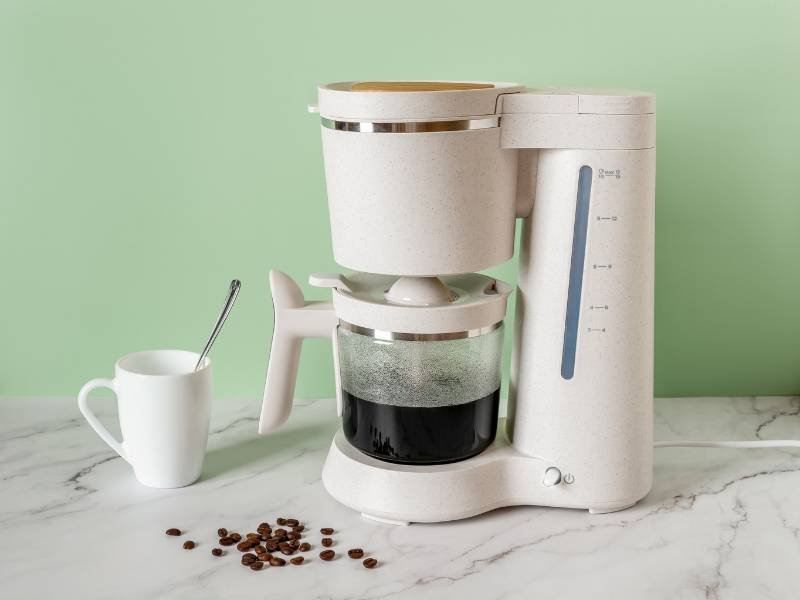
Drip coffee makers are automated brewing devices that simplify the pour-over process. They work by heating water from a reservoir and dispersing it over a bed of ground coffee contained in a filter. Gravity then pulls the water through the grounds, extracting flavors before the finished coffee collects in a carafe below.
How Drip Coffee Makers Work (Step-by-Step)
While they may seem like simple “plug and play” appliances, the internal physics of a drip coffee machine is quite fascinating. The process is a delicate balance of thermodynamics and fluid dynamics.
The Brewing Process Breakdown
- Water Reservoir: The process begins when you fill the tank with cold, filtered water.
- Heating Element: Once turned on, a resistive heating element (usually located at the base) heats the water. As the water reaches boiling point, bubbles create pressure that forces the hot water up through a one-way valve and a tube.
- Showerhead Distribution: The hot water reaches the “showerhead,” a perforated disk designed to spread the water evenly across the coffee grounds.
- Coffee Bed Saturation: Even distribution is vital. The water must saturate the entire coffee bed to ensure uniform extraction.
- Gravity-Based Extraction: Unlike espresso, which uses pressure, drip coffee relies entirely on gravity to pull water through the grounds and filter.
- The Result: The liquid gold drips into the carafe, ready to be served.
Technical Standards for Success
To achieve the best results, your machine must hit specific targets:
- Ideal Brewing Temperature: The water hitting the grounds should be between 195–205°F. Anything lower results in flat, sour coffee; anything higher can lead to over-extraction and bitterness.
- Ideal Coffee-to-Water Ratio: A standard starting point is the “Golden Ratio” of 1 to 2 tablespoons of ground coffee for every 6 ounces of water.
Types of Drip Coffee Makers (Full Breakdown)
Not all drip coffee machine types are created equal. Depending on your lifestyle and flavor preferences, one of the following categories will likely be your perfect match.
Standard Automatic Drip Coffee Makers
These are the most common machines found in households today. They feature a simple on/off switch and a glass carafe.
- How it works: Basic heating element and gravity drip.
- Pros: Very affordable, easy to replace, and simple to operate.
- Cons: Often lack temperature control; the “hot plate” can scorch the coffee if left too long.
- Who it’s best for: Budget-conscious drinkers who finish their pot quickly.
Programmable Drip Coffee Makers
These machines add a layer of digital convenience to the brewing process.
- How it works: Similar to standard models but includes a digital interface and internal clock.
- Pros: You can set a timer to have coffee ready the moment you wake up.
- Cons: Coffee ground the night before loses some freshness.
- Who it’s best for: Busy professionals with tight morning schedules.
Thermal Carafe Drip Coffee Makers
These models replace the glass pot and hot plate with a vacuum-insulated stainless steel carafe.
- How it works: The coffee drips directly into an insulated container.
- Pros: Keeps coffee hot for hours without “cooking” it on a heating element, preserving the flavor profile.
- Cons: Usually more expensive; the carafe is opaque, so you can’t see how much coffee is left.
- Who it’s best for: Those who sip their coffee slowly throughout the morning.
Single-Cup Drip Brewers
These are designed for individuals who don’t need a full 12-cup pot. (Note: These are different from pod machines; they use loose grounds).
- How it works: A smaller-scale version of a standard brewer, often dripping directly into a travel mug.
- Pros: Minimal waste, compact footprint.
- Cons: Not suitable for guests or large households.
- Who it’s best for: Students, solo dwellers, or office cubicles.
Specialty Drip Brewers (SCA-Certified)
These are high-end machines certified by the Specialty Coffee Association (SCA) for meeting rigorous brewing standards.
- How it works: They utilize advanced heaters that maintain a precise 195–205°F temperature and feature sophisticated showerheads for perfect saturation.
- Pros: Produces cafe-quality coffee that rivals manual pour-over.
- Cons: High price point; fewer “bells and whistles” like clocks or timers.
- Who it’s best for: The “Coffee Nerd” who prioritizes flavor quality above all else.
Key Features to Look For
When shopping for automatic drip coffee makers, it’s easy to get distracted by shiny buttons. Focus on these features to ensure a quality purchase:
- Brew Temperature Stability: Look for machines that promise a consistent temperature throughout the entire brew cycle.
- Carafe Type: Choose thermal if you value flavor longevity, or glass if you prefer a lower upfront cost.
- Programmable Settings: Useful for “Auto-Start” features and adjustable auto-off timers.
- Bloom Cycle: High-end models have a “pre-infusion” or bloom setting that wets the grounds for 30 seconds before brewing to release trapped CO2.
- Filter Type: Paper filters produce a cleaner, crisper cup by removing oils and sediment. Metal (permanent) filters allow more oils through, resulting in a heavier body.
- Capacity: Ensure the “cup” count matches your needs (remember, a “cup” in coffee machine terms is usually 5 ounces, not 8).
- Cleaning Alerts: Some modern machines have sensors that tell you when it’s time to descale.
For more information on optimizing your setup, check out our coffee accessories guide.
Best Drip Coffee Maker Categories (Non-Affiliate)
Instead of looking for a specific brand, look for the category that fits your environment:
- Best for Beginners: Simple 5-10 cup glass carafe models with one-button operation.
- Best for Large Families: 12-14 cup machines with high-capacity reservoirs and programmable starts.
- Best for Office Use: Heavy-duty machines with fast brew times and durable thermal carafes.
- Best for Flavor Quality: SCA-certified brewers with copper heating elements and pre-infusion cycles.
- Best Compact Option: Slim-profile brewers or “Space-Maker” under-cabinet models.
Exploring the best drip coffee makers category-wise helps you narrow down the technical specs you actually need.
Choosing the Right Coffee Beans for Drip Coffee
The machine is only half the equation. The beans you choose will dictate the primary flavor notes of your brew.
- Roast Levels: While you can brew any roast, a medium roast coffee is often considered the “sweet spot” for drip machines. It offers a balanced acidity and body that highlights the bean’s origin without being overly smoky or sour.
- Grind Size: For drip brewing, a medium grind (similar to the texture of sea salt) is essential. If it’s too fine, the water will clog; if it’s too coarse, the water will rush through, leaving you with weak coffee.
- Freshness: Always buy whole beans and grind them just before brewing. Roasted coffee begins to lose its aromatic compounds within minutes of being ground.
How to Make Better Drip Coffee (HowTo Section)
If you want to elevate your morning routine, follow these steps to achieve better drip coffee:
- Use Filtered Water: Coffee is 98% water. If your tap water tastes like chlorine, your coffee will too.
- Perfect the Ratio: Use a digital scale for precision. Aim for 60 grams of coffee per 1 liter of water.
- Rinse the Filter: If using paper, pour a little hot water through the empty filter first to remove any “papery” taste.
- Manage the Bloom: If your machine has a “Pause” feature, let the grounds saturate for 30 seconds, then pause it to let the gas escape before resuming.
- Clean Regularly: Residual oils go rancid quickly. Clean your carafe and basket after every single use.
Common Drip Coffee Maker Mistakes (Snippet-Ready)
Even with the best drip coffee methods, simple errors can ruin the pot. The most common mistakes include:
- Using stale beans that have been sitting in a clear canister.
- Wrong grind size, leading to bitter or watery results.
- Incorrect ratio (usually not using enough coffee).
- A dirty machine with mineral buildup.
- Cheap paper filters that add a chemical taste.
Maintenance & Cleaning (HowTo Section)
To keep your machine running for years and ensure the flavor stays fresh, follow this maintenance schedule:
Daily Cleaning
- Discard used grounds immediately.
- Wash the filter basket and carafe with warm, soapy water.
- Wipe down the showerhead to remove coffee splashes.
Weekly Deep Clean
- Soak the carafe in a mixture of vinegar and water to remove stubborn stains.
- Wipe the exterior of the machine to prevent dust buildup.
Monthly Descaling
- Calcium and minerals from your water will eventually clog the internal heating tubes.
- Fill the reservoir with a dedicated descaling solution or a 50/50 mix of white vinegar and water.
- Run a brew cycle, let it sit halfway through for 30 minutes, then finish the cycle.
- Run 2–3 cycles of plain water afterward to remove any lingering vinegar taste.
Frequently Asked Questions (FAQ)
What is the best type of drip coffee maker? The “best” type depends on your priorities. For pure flavor, an SCA-certified specialty brewer is top-tier. For convenience, a programmable model with a thermal carafe is usually the best all-around choice.
What grind size is best for drip coffee? A medium grind is ideal. It should feel like coarse sand or sea salt. If the coffee tastes bitter, try a slightly coarser grind; if it tastes sour or weak, go slightly finer.
Are thermal carafes better than glass? Generally, yes. Thermal carafes use insulation to keep coffee hot, whereas glass carafes rely on a heating plate. Heating plates can “cook” the coffee, leading to a burnt, bitter taste after only 20 minutes.
How often should I clean my drip coffee maker? You should rinse the removable parts daily. A full descaling (to remove mineral buildup) should be performed every 1–3 months, depending on how “hard” your local water is.
What coffee beans are best for drip brewing? Medium roasts are the most popular because they provide a balanced profile. However, light roasts work well in high-end machines that can reach higher temperatures to extract complex floral notes.
What is the ideal coffee-to-water ratio? A standard starting point is 2 tablespoons of ground coffee for every 6 ounces of water. For those using a scale, a ratio of 1:16 (1 part coffee to 16 parts water) is widely recommended.
Conclusion
The humble drip coffee maker is a marvel of convenience that, when used correctly, can produce world-class coffee. By understanding how these machines work—from the heating element to the showerhead—and choosing the right type for your lifestyle, you can transform your morning ritual.
Remember that the quality of your brew depends on the harmony between your machine, your beans, and your maintenance routine. Don’t be afraid to experiment with your coffee-to-water ratio or try a new roast level to find your perfect cup.