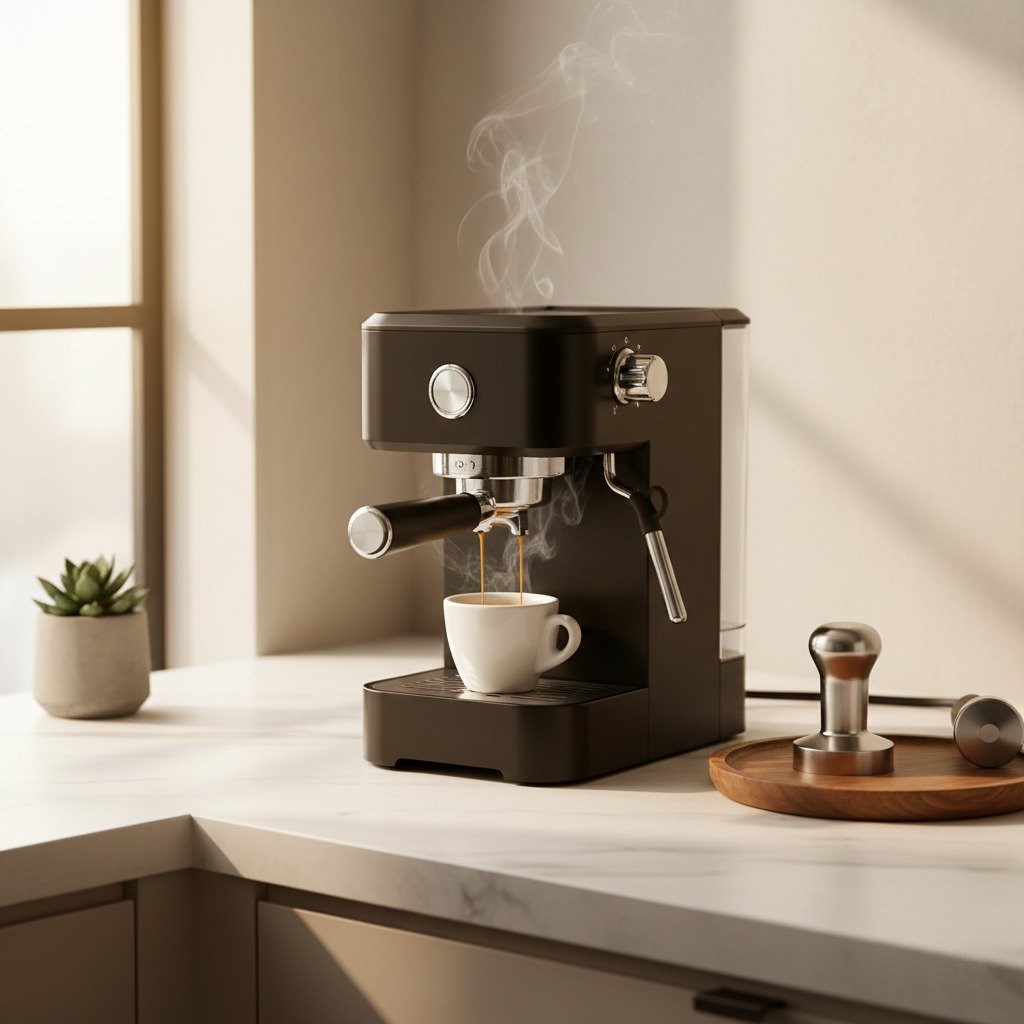

Are you looking to skip the long morning lines at the café and start brewing your own rich, crema-topped shots at home? Finding the best espresso machine under 300 can feel like a daunting task, but the market in 2025 is more competitive than ever. You no longer need to spend thousands of dollars to enjoy a high-quality latte or a bold double shot in your own kitchen.
This guide explores the world of budget espresso machines, helping you navigate the technical jargon of bars, boilers, and portafilters. We will break down exactly what you can expect from these affordable espresso makers and how to choose one that fits your lifestyle. Whether you are a total novice or a budding home barista, this 2025 buyer’s guide is designed to simplify your journey toward the perfect cup.
What to Expect from Espresso Machines Under $300
When shopping for entry-level espresso machines, it is important to manage your expectations. While these machines can produce excellent results, they differ significantly from the multi-thousand-dollar commercial units found in professional coffee shops. Understanding these differences will help you get the most out of your purchase.
Build Quality
At this price point, you will encounter a mix of stainless steel and high-grade plastic. While the exterior might feel lighter than premium models, the internal components of the best espresso machine under 300 are typically designed for daily home use. You should look for models that feel sturdy and have a heavy enough base to stay still when you lock in the portafilter.
Pressure System
Most affordable espresso makers utilize a vibration pump. To achieve a proper extraction, a machine needs to reach approximately 9 bars of pressure. Many budget models advertise “15 bars” or “19 bars,” which refers to the pump’s maximum capacity rather than the actual brewing pressure. Don’t worry—most modern budget units are well-calibrated to hit that 9-bar sweet spot during the actual brew.
Steam Wand
You will generally find two types of steam wands: the “Panarello” style (which has a sleeve that automates air injection) and the traditional manual wand. The best espresso machine reviews often favor manual wands because they allow for better control over microfoam texture, which is essential if you want to practice latte art.
Temperature Control
Temperature stability is the biggest challenge for smaller machines. Most units in this range use a “Thermoblock” or a small single boiler. Thermoblocks are great because they heat up almost instantly, but they can fluctuate slightly. Higher-end budget models may include a PID (a digital temperature controller) to keep the water at a precise heat, ensuring your coffee doesn’t taste sour or burnt.
Manual vs. Semi-Automatic
In the sub-$300 category, the majority of machines are semi-automatic. This means the machine handles the pressure and temperature, but you decide when to start and stop the shot. You might also find manual lever machines, which require you to physically pull the shot yourself—a rewarding but steep learning curve for purists.
Grinder Integration
It is important to note that a built-in grinder is usually absent at this price point. To get the most out of your machine, you will likely need to purchase a separate burr grinder. Using pre-ground coffee is possible with “pressurized” filter baskets, which are common in this category to help beginners get a decent crema regardless of the grind.
For a deeper dive into the different types of setups available, you can check out our comprehensive espresso machines guide.
Comparison Table
Below is a comparison of five popular types of machines you will encounter in the budget market. These represent the general styles available for under $300.
| Feature | Model A (The Compact Pro) | Model B (The Manual Lever) | Model C (The Beginner Pump) | Model D (The Slim Semi-Auto) | Model E (The Retro Classic) |
| Type | Semi-Automatic | Manual | Semi-Automatic | Semi-Automatic | Semi-Automatic |
| Pressure | 15 Bar | Manual (User-led) | 15 Bar | 15 Bar | 15 Bar |
| Steam Wand | Traditional Manual | None | Panarello Style | Traditional Manual | Panarello Style |
| Size | Small/Medium | Highly Portable | Medium | Ultra Slim | Large |
| Ease of Use | High | Low (High Skill) | Very High | High | Medium |
| Price Range | $250 – $299 | $150 – $200 | $100 – $150 | $180 – $230 | $150 – $220 |
| Ideal User | Aspiring Barista | Camping/Purist | Total Beginner | Small Kitchens | Aesthetic Seekers |
Best Categories for Every Coffee Lover
Instead of looking at specific brands, it helps to categorize budget espresso machines by how they fit into your daily routine. Here are the top categories to consider:
Best for Beginners
For those just starting, look for a machine that includes pressurized portafilter baskets. These baskets are “forgiving,” meaning they create enough backpressure to produce a thick crema even if your coffee grind isn’t perfect. This allows you to learn the basics of milk steaming without getting frustrated by the complexities of “dialing in” a shot.
Best for Small Kitchens
If counter space is a luxury, the “Slim” or “Compact” style machines are your best bet. Many of these are only 5 to 6 inches wide. Despite their small footprint, they often pack the same 15-bar pump technology as their larger counterparts, making them a top choice for apartment dwellers.
Best for Latte Lovers
If you drink mostly milk-based drinks, prioritize the steam wand. Look for a machine that has a powerful heating element to reduce the “recovery time” between brewing espresso and steaming milk. A traditional manual wand will give you the best chance at creating the silky microfoam needed for flat whites and lattes.
Best Manual Option
Manual lever machines are unique because they don’t require electricity (though you’ll need a separate way to boil water). These are perfect for purists who want to feel exactly how much pressure is being applied to the coffee puck. They are also incredibly durable because there are no electronic pumps or sensors to fail.
Best Overall Value
The best overall value usually comes from a semi-automatic machine that offers a “non-pressurized” basket option. This allows you to grow as a barista. You can start with the easy pressurized baskets and eventually switch to the standard baskets once you have a high-quality grinder, effectively upgrading your coffee quality without buying a new machine.
How to Choose the Right Budget Espresso Machine
Selecting from various espresso machine reviews requires knowing which features actually matter for your morning brew. Here are the key factors to evaluate:
Brewing Style
Decide how involved you want to be. Do you want to push a button and walk away, or do you want to master the craft? Semi-automatic machines are the industry standard for home use, offering a balance of convenience and control.
Pressure System
Ensure the machine uses a pump-driven system rather than a steam-driven one. Older, very cheap “espresso” makers actually just use steam pressure (similar to a Moka pot), which doesn’t reach the 9 bars required for true espresso. Any modern affordable espresso makers worth their salt will have a dedicated pump.
Steam Wand Quality
As mentioned, if you want to learn latte art, avoid the plastic Panarello sleeves if possible. A stainless steel “pro” style wand allows you to angle the tip into the milk to create a vortex, which is the secret to perfect texture. To complete your setup, you might want to browse our coffee accessories guide for high-quality milk pitchers.
Cleaning Ease
Maintenance is the number one killer of budget machines. Check if the water tank is easily removable and if the drip tray is large enough to handle a few rinses without overflowing. Look for machines with “clean” indicators or simple descaling procedures.
Size and Portability
Measure your counter space, specifically the height under your cabinets. Some machines require you to pour water into the top, which can be difficult if the unit is tucked under a low-hanging cupboard.
Water Tank Capacity
If you entertain guests, a tiny 30-ounce tank will become a chore to refill. Aim for something in the 50 to 60-ounce range if you plan on making multiple drinks in a row.
Choosing the Right Beans for Budget Machines
Even the best espresso machine under 300 cannot fix bad beans. Because budget machines often have slightly less temperature stability, choosing the right coffee is vital.
- Roast Level: Medium to medium-dark roasts are generally easier to extract. Very light “third-wave” roasts often require higher temperatures and more precision than a budget machine can provide, which may result in a sour taste.
- Grind Size: If you don’t have a grinder, buy your beans from a local roaster and ask them to grind specifically for a “pressurized espresso basket.” It’s slightly coarser than a traditional espresso grind.
- Freshness: Use beans roasted within the last 2 to 4 weeks. Once beans go stale, the CO2 is lost, and you will lose that beautiful crema that defines a good shot.
For more tips on selecting the perfect roast for your new machine, visit our espresso beans guide.
Common Mistakes When Buying Budget Espresso Machines
Avoid these pitfalls to ensure you are happy with your purchase long-term:
- Expecting Café-Level Performance: Remember that a $200 machine won’t have the same “back-to-back” steaming power as a $10,000 commercial machine. Be patient with the heat-up times.
- Ignoring Pressure Specs: Make sure it is a “pump” machine. Steam-driven machines are essentially just strong coffee makers, not espresso machines.
- Overlooking Cleaning Difficulty: If a machine is hard to take apart, you won’t clean it. Scale buildup will ruin the heater in less than a year.
- Choosing Based on Looks Only: A beautiful retro machine might have a terrible steam wand. Read the espresso machine comparison notes on functionality before aesthetics.
- Skipping Bean Compatibility: Don’t use oily, dark-roasted beans in a machine with a built-in grinder (if you find one in this range), as the oils can clog the mechanism.
Maintenance Tips for Budget Machines
To keep your entry-level espresso machines running for years, follow these simple maintenance steps:
- Daily Cleaning: Always purge your steam wand before and after use. Wipe it with a damp cloth immediately so milk doesn’t bake onto the metal.
- Steam Wand Care: If the tip gets clogged, use a small pin to clear the holes.
- Descaling: Depending on your water hardness, you should descale every 2 to 3 months. This removes mineral buildup that can choke the internal pipes.
- Water Filter Use: Using filtered water (like from a Brita pitcher) will significantly extend the life of your machine by preventing scale from forming in the first place.
- Storage Tips: If you aren’t using the machine for a week, empty the water reservoir to prevent mold and stale water odors.
If your machine starts acting up or the flow slows down, our espresso machine troubleshooting page can help you fix common issues at home.
Frequently Asked Questions
Are espresso machines under $300 worth it?
Yes, they are highly worth it for beginners. A best espresso machine under 300 provides a fantastic entry point into the hobby, allowing you to learn the mechanics of brewing and milk steaming without a massive financial commitment.
What pressure is ideal for espresso?
While machines often boast 15 or 19 bars, the ideal pressure for extracting espresso is actually 9 bars. Budget machines use high-pressure pumps but are restricted by the coffee puck or the basket to hit the correct brewing pressure.
Can budget machines make latte art?
Absolutely. While it may take more practice than on a professional machine, any machine with a functional steam wand can create microfoam. Opt for a machine with a manual wand for the best results.
What beans work best in entry-level machines?
Freshly roasted medium-dark beans are the most “forgiving.” They extract easily at the temperatures provided by budget machines and produce a classic, chocolatey flavor profile.
How often should I clean my espresso machine?
You should do a quick rinse of the portafilter and a wipe of the steam wand after every use. A deeper clean and descaling cycle should happen every 1 to 3 months, depending on how often you brew.
What’s the difference between manual and semi-automatic?
A semi-automatic machine uses an electric pump to create pressure at the touch of a button. A manual machine requires you to use a lever to physically push the water through the coffee, offering total control but requiring more skill.
Conclusion
Finding the best espresso machine under 300 is about balancing your desire for quality coffee with the reality of your budget. In 2025, the options for budget espresso machines are better than they have ever been, offering sleek designs, reliable pressure, and the ability to steam café-quality milk.
By focusing on build quality, steam wand functionality, and proper maintenance, you can enjoy delicious espresso drinks from the comfort of your home. Remember that the machine is only one part of the equation—pairing it with fresh beans and a decent grinder will elevate your experience even further.