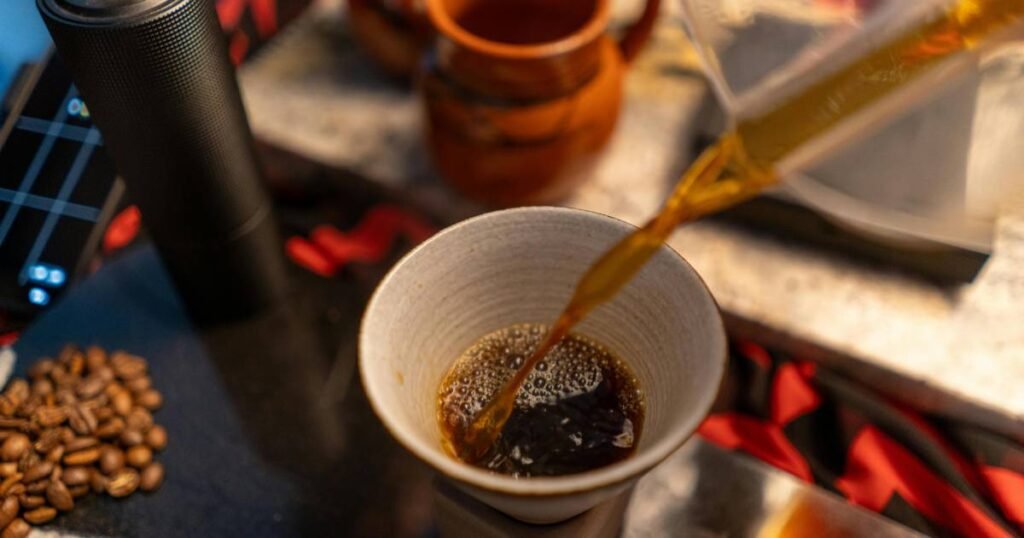

Finding the perfect cup of coffee is a journey that begins long before the first sip. While the quality of your beans is paramount, the way you extract flavor from them—your chosen brewing methods—is what defines the final character of your drink. Whether you prefer a heavy, textured body or a tea-like clarity, understanding the science and art behind different coffee brewing techniques is the key to mastering your morning ritual.
In this comprehensive 2026 guide, we explore the world’s most popular brewing methods, including the French press, Aeropress, Chemex, Moka pot, pour-over, and cold brew. By the end of this pillar article, you will have the expertise to choose the right method for your palate and learn how to brew coffee like a professional barista.
What Are Coffee Brewing Methods?
Coffee brewing methods refer to the various techniques used to extract soluble flavors, oils, and caffeine from roasted coffee grounds using water. These methods are categorized by their extraction style—immersion, filtration, or pressure—each yielding a distinct flavor profile, body, and aromatic intensity in the final cup.
Snippet Summary: Choosing the right brewing methods is essential because the interaction between water temperature, grind size, and contact time dictates which chemical compounds are extracted. From the rich immersion of a French press to the pressurized intensity of a Moka pot, your method determines the coffee’s strength and clarity.
The Most Popular Brewing Methods
The beauty of specialty coffee lies in its diversity. Each method highlights different aspects of the bean’s origin, roast, and processing.
French Press
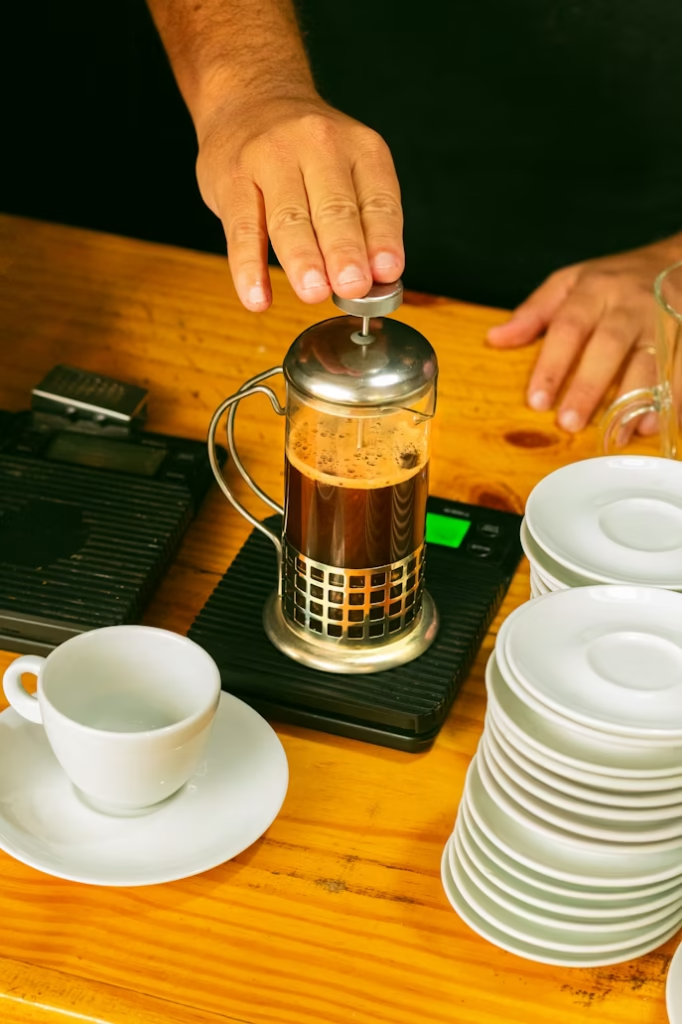
The French press is the king of immersion brewing. Unlike drip methods, the grounds sit in direct contact with hot water for the entire brew time, typically four minutes. A metal mesh filter is used to plunge the grounds, allowing natural oils and fine sediments to pass into the cup.
- Flavor Profile: Full-bodied, heavy, textured, and rich. Expect deep chocolatey or nutty notes to shine here.
- Pros: Easy to use, consistent, no paper filters required, makes multiple servings.
- Cons: Can be “muddy” if the grind is too fine; sediment at the bottom of the cup.
Check out our detailed French press brewing guide for step-by-step instructions.
Aeropress
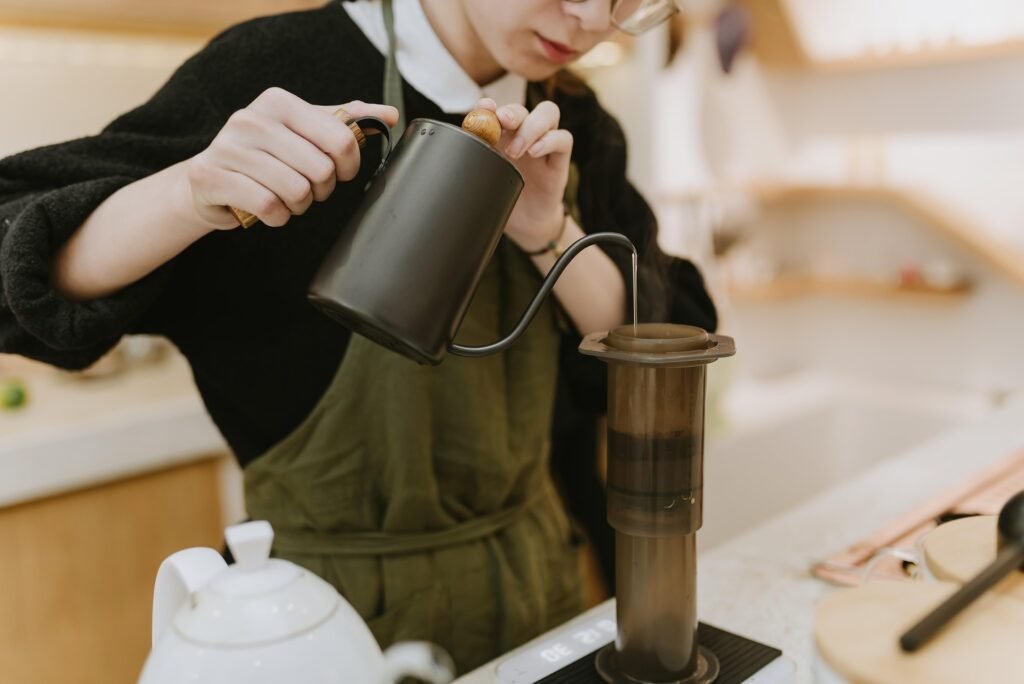
The Aeropress is a cult favorite among travelers and enthusiasts alike. It uses a combination of immersion and gentle air pressure to force coffee through a small paper or metal filter. It is incredibly versatile, capable of making everything from concentrated “espresso-style” shots to a clean cup of filter coffee.
- Why it’s popular: It’s nearly indestructible, portable, and allows for endless experimentation with “inverted” or “standard” techniques.
- Pros: Fast brew time (under 2 minutes), extremely easy to clean, highly portable.
- Cons: Usually only makes one cup at a time; requires specific filters.
Master the Aeropress brewing method with our expert tips
Chemex
The Chemex is as much a piece of art as it is a coffee maker. Known for its hourglass shape and thick bonded paper filters, it focuses on clarity and brightness. The thick filters remove almost all oils and sediment, resulting in the cleanest cup of coffee possible.
- Flavor Profile: Bright, vibrant, and tea-like. It excels at highlighting floral and citrus notes in light roast coffees.
- Pros: Beautiful design, produces a very clean cup, can brew large batches.
- Cons: The glass is fragile; requires specific, more expensive filters; requires a steady hand.
Follow our Chemex brewing guide to perfect your pour.
Pour-Over (Hario V60, Kalita Wave)
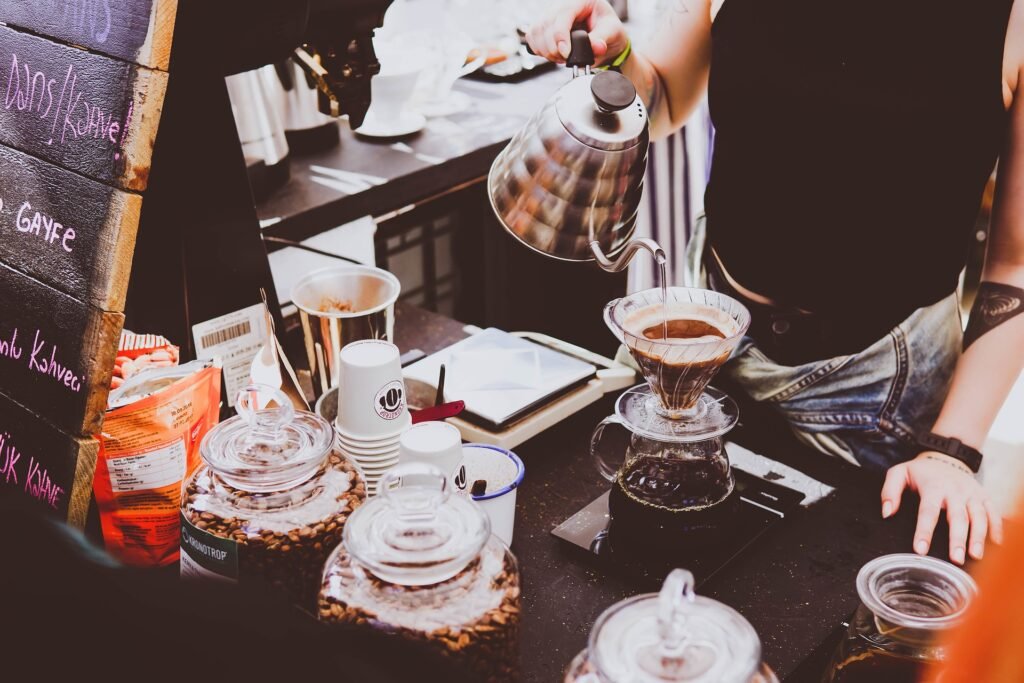
Standard pour-over drippers like the Hario V60 or Kalita Wave offer the ultimate control over the brewing process. By manually pouring water over a bed of coffee, you control the flow rate and extraction time.
- Technique: Requires a “gooseneck” kettle for precision. You pour in circular motions to ensure all grounds are evenly saturated.
- Grind Size: Medium-fine (similar to table salt).
- Pros: Highlights complex flavor notes; rewarding for those who enjoy the “ritual.”
- Cons: High learning curve; requires additional equipment like a scale and gooseneck kettle.
View our top picks for the best pour-over coffee makers.
Moka Pot
Often called the “stovetop espresso maker,” the Moka pot uses steam pressure to push water up through coffee grounds. While not technically espresso (as it doesn’t reach 9 bars of pressure), it produces a concentrated, intense brew that serves as a great base for lattes.
- How it works: Water boils in the bottom chamber, creating pressure that forces water through the coffee basket and into the top collection chamber.
- Flavor Profile: Intense, heavy, and sharp.
- Pros: Affordable, durable, produces a strong “kick.”
- Cons: Easy to burn the coffee if the heat is too high; can be finicky to clean.
Learn the secrets of the Moka pot brewing method.
Cold Brew
Cold brew is the patient person’s coffee. Instead of hot water, you steep coarse grounds in room temperature or cold water for 12 to 24 hours. This slow process results in a concentrate that is low in acidity and naturally sweet.
- Steeping Time: 12–18 hours for a lighter brew; 24 hours for a heavy concentrate.
- Pros: Extremely low acidity, stays fresh in the fridge for up to two weeks, very simple.
- Cons: Takes a long time to prepare; requires a large amount of coffee beans.
Find the best beans for cold brew to maximize sweetness.
Brewing Methods Comparison Table
To help you decide which of these brewing methods fits your lifestyle, use this quick-reference comparison table.
| Method | Strength | Brew Time | Difficulty | Flavor Profile | Equipment Needed |
| French Press | Bold / Heavy | 4-5 Mins | Easy | Rich, Textured | Carafe, Mesh Filter |
| Aeropress | Med to High | 2 Mins | Medium | Clean but full | Aeropress Kit |
| Chemex | Light / Clear | 5-7 Mins | High | Bright, Floral | Chemex, Bonded Filter |
| Pour-Over | Moderate | 3-4 Mins | High | Complex, Balanced | Dripper, Gooseneck |
| Moka Pot | Very Strong | 5 Mins | Medium | Intense, Sharp | Moka Pot, Stove |
| Cold Brew | Bold (Conc.) | 12-24 Hrs | Easy | Sweet, Smooth | Jar, Strainer |
Snippet Summary: When comparing brewing methods, consider that immersion (French Press) yields more body, while filtration (Pour-over/Chemex) highlights acidity and clarity. For those seeking intensity without an espresso machine, the Moka Pot or Aeropress are the most effective alternatives for high-strength coffee.
How to Choose the Right Brewing Method (HowTo)
Choosing between different coffee brewing techniques depends on your taste, time, and willingness to learn. Follow these steps to find your match:
- Assess Your Taste Preference: Do you like thick, oily coffee? Go for the French Press. Do you prefer tea-like, bright notes? Choose the Chemex or V60.
- Evaluate Your Schedule: If you have 2 minutes, use an Aeropress. If you have 10 minutes for a ritual, go for a Pour-over. If you want it ready when you wake up, prep Cold Brew the night before.
- Check Your Budget: A plastic Aeropress or Hario V60 is very affordable. A Chemex or a high-end Moka pot requires a bit more investment.
- Consider Skill Level: Beginners often thrive with the “set it and forget it” nature of the French Press, while enthusiasts enjoy the precision of the Pour-over.
- Get the Right Tools: Regardless of the method, ensure you have the basics from our coffee accessories guide.
Best Coffee Beans for Each Brewing Method
Even the best brewing methods cannot save stale or poorly roasted beans. Matching your roast level to your method is crucial for the best results.
Best Beans for French Press
Because the French Press highlights body and oils, it pairs exceptionally well with medium to dark roasts. Look for beans from Brazil or Sumatra that offer notes of chocolate, caramel, and earthiness.
- Browse the best coffee beans for French press.
Best Beans for Pour-Over
Pour-overs thrive with light to medium roasts. These roasts preserve the delicate acids and floral aromas of the bean. Ethiopian or Kenyan beans are legendary for their citrusy and berry-like profiles when brewed via V60 or Chemex.
- Explore our favorite best medium roast coffee beans.
Best Beans for Espresso-Style Moka Pot
The Moka pot creates a lot of intensity, so you want beans that can stand up to the heat. An espresso roast or a dark Italian roast is perfect here.
- Check our top-rated espresso beans.
Best Beans for Cold Brew
For cold brew, you want beans that are naturally sweet. A medium-dark roast from Central America (like Guatemala or Colombia) works beautifully, offering a smooth, cocoa-rich profile that isn’t too acidic.
- Find the best beans for cold brew.
Common Brewing Mistakes
Even with the best brewing methods, small errors can lead to a bitter or sour cup. Here are the most common pitfalls:
- Wrong Grind Size: This is the #1 mistake. Too coarse for pour-over leads to weak coffee; too fine for French press leads to bitter sludge.
- Incorrect Water Temperature: Boiling water (100∘C) can scorch the grounds. Aim for 90∘C to 96∘C for most hot methods.
- Over-extraction: Leaving the coffee in contact with water for too long (especially in immersion) creates a dry, bitter taste.
- Under-extraction: Not enough contact time or water that is too cold results in a thin, sour, or salty cup.
- Poor Maintenance: Old coffee oils left in your equipment will turn rancid and ruin future brews.
How to Clean and Maintain Brewing Equipment
To ensure your brewing methods remain consistent, your gear must be pristine.
- Daily Rinse: After every brew, rinse your equipment with hot water. For the Aeropress and French Press, ensure no old grounds are stuck in the seals or mesh.
- Deep Clean Weekly: Use a coffee-specific detergent to remove built-up oils (especially in glass carafes like the Chemex).
- Descaling: If you use a Moka pot or any electric brewer, descale every 1-3 months with a vinegar solution or commercial descaler to remove mineral buildup.
- Filter Care: Store paper filters in a dry, scent-free environment. For metal filters, use a soft brush to clear out the microscopic holes.
- Grinder Maintenance: Clean your burr grinder regularly. Using precision coffee scales ensures you aren’t overworking your grinder with more beans than necessary.
Frequently Asked Questions (FAQ)
What is the easiest brewing method for beginners?
The French Press is widely considered the easiest for beginners. It requires very little technique—simply add coffee and water, wait, and plunge.
Which brewing method makes the strongest coffee?
The Moka Pot produces the strongest concentration of coffee, approaching the intensity of espresso. Cold brew concentrate is also very strong but is typically diluted with water or milk.
Is French press better than pour-over?
“What’s ‘better’ really comes down to your taste. If you enjoy a heavy body and bold, rich flavors, the French press will feel like home. If you prefer a clean, bright, and more nuanced cup, pour‑over will likely be your favorite.”
What grind size should I use for each method?
-French Press: Coarse (like sea salt)
-Chemex: Medium-Coarse
-Aeropress: Medium-Fine
-Moka Pot: Fine (but slightly coarser than espresso)
-Cold Brew: Extra Coarse
What is the healthiest brewing method?
Methods that use paper filters (like Chemex, Pour-over, and Aeropress) are often cited as the healthiest. The paper removes cafestol, a coffee oil that can raise cholesterol levels.
Does brewing method affect caffeine content?
Yes. Methods with longer contact times (like Cold Brew) or higher coffee-to-water ratios (like Moka Pot) generally result in higher caffeine concentrations per ounce.
How do I stop my coffee from tasting bitter?
Bitterness is usually a sign of over-extraction. Try using a slightly coarser grind, shortening your brew time, or lowering your water temperature.
Can I use any coffee bean for any method?
Technically, yes, but you will get better results by matching the roast to the method. Light roasts shine in pour-overs, while dark roasts excel in immersion and pressure methods.
Ready to elevate your coffee game?
Now that you understand the nuances of various brewing methods, the next step is to master the specifics. Would you like me to create a detailed water-to-coffee ratio chart for these methods to help you get the perfect extraction?