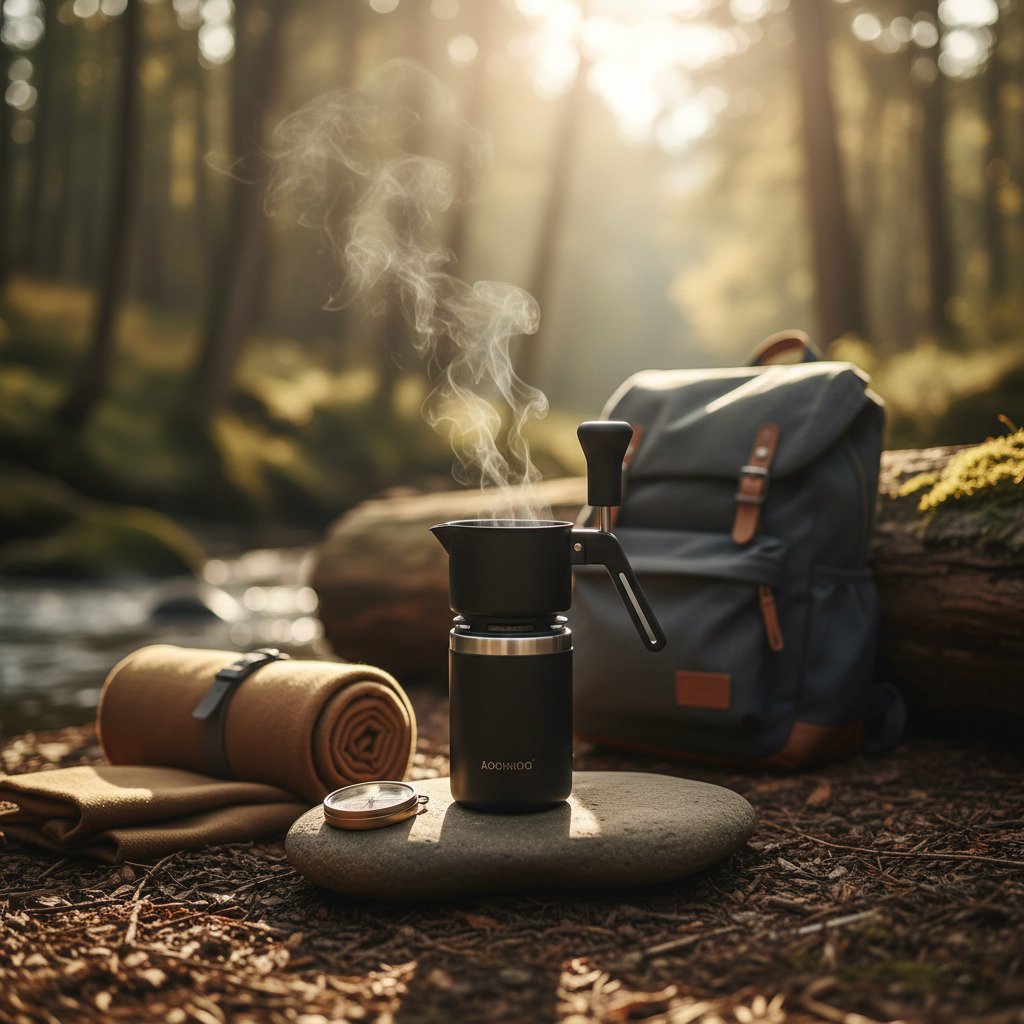

Welcome to the ultimate resource for coffee lovers who refuse to settle for mediocre brews while on the move. Whether you are scaling a mountain or sitting in a hotel room, having the right gear transforms your morning ritual.
Introduction
The era of instant coffee as the only travel option is long gone. Today, portable coffee makers have evolved into sophisticated, durable, and highly efficient tools that allow you to enjoy café-quality beverages anywhere on the planet. From the rugged trails of the backcountry to the sleek cabins of a business-class flight, the demand for high-quality caffeine on the go has never been higher.
In this comprehensive guide, we will explore the intricate world of portable coffee makers. You will learn about the different brewing mechanisms, the essential features to prioritize, and how to maintain your equipment for years of service. By the end of this article, you will be equipped with the knowledge to select the perfect brewer for your specific lifestyle.
What Are Portable Coffee Makers? (Snippet-Ready Definition)
Portable coffee makers are compact, lightweight brewing devices designed for use outside a traditional kitchen setting. These travel-friendly tools use manual pressure, immersion, or gravity-to-brew fresh coffee without requiring a permanent power source. They prioritize durability and space-saving designs, making them ideal for camping, hiking, and frequent travel.
How Portable Coffee Makers Work (Step-by-Step)
Understanding the mechanics of portable coffee makers is the first step toward a better cup. Unlike home machines that rely on electric pumps, these devices often use human power or clever physics.
The Brewing Mechanisms
- Manual Pressure Systems: These use a piston or a hand-pump to force hot water through a bed of finely ground coffee. This is how you achieve the high bars of pressure required for portable espresso.
- Gravity-Based Brewing: Similar to a home pour-over, these devices sit atop a mug. Water drips through a filter and coffee grounds, relying entirely on gravity.
- Immersion Brewing: The coffee grounds sit in water for several minutes before being filtered out. This is a very forgiving method for outdoor environments.
Heating vs. Non-Heating Models
Most compact coffee makers require you to provide a separate source of hot water (like a thermos or a camping stove). However, some high-end battery-powered models can heat water internally, though they are significantly heavier and require frequent charging.
Water Capacity and Portability
Most travel units are designed for a single serving, typically ranging from 5 to 12 ounces. The goal is to balance the weight of the device with the volume of coffee it can produce in one cycle.
How-To: Basic Portable Brewing Process
- Prep: Add the correct amount of grounds to the filter or chamber.
- Heat: Boil water using an external heat source.
- Combine: Pour the water into the reservoir of your device.
- Actuate: Press, pump, or wait for gravity to complete the extraction.
- Enjoy: Decant into your travel mug and clean the device immediately.
Types of Portable Coffee Makers (Full Breakdown)
Selecting the right device depends heavily on your preferred coffee style. Here is a breakdown of the most popular travel coffee makers currently available.
Portable Espresso Makers (Manual Pressure)
These are the gold standard for enthusiasts. They use a hand-pump or a screw-driven piston to create the pressure needed to produce “crema”—the golden foam atop a real espresso shot.
- How it works: You load a small basket with fine grounds, add boiling water, and pump a lever to force the water through.
- Pros: Authentic flavor, very compact, no electricity needed.
- Cons: Requires physical effort; can be finicky with grind size.
- Best for: Espresso purists and backpackers who want a high-strength kick.
- Expert Tip: To get the best results, refer to an espresso beans guide to ensure your roast profile matches the high-pressure extraction.
French Press Travel Mugs
This is an all-in-one solution where the brewing vessel is also the drinking vessel.
- How it works: It uses the immersion method. After steeping for four minutes, a mesh plunger is pushed down to trap the grounds at the bottom.
- Pros: Easy to use, minimal parts, produces a full-bodied cup.
- Cons: Coffee can become over-extracted if left too long; cleanup can be messy.
- Best for: Road trips and office use.
Pour-Over Travel Drippers
These are often collapsible or flat-pack devices made of silicone or stainless steel.5
- How it works: Place the dripper over a mug, add a paper filter and grounds, and slowly pour hot water in circles.
- Pros: Extremely lightweight, easy to clean, familiar brewing style.
- Cons: Requires a steady hand and a gooseneck-style pour for best results.
- Best for: Weight-conscious hikers and minimalist travelers.
AeroPress Go (Compact Press-Style Brewer)
A cult favorite in the coffee community, this device combines immersion and pressure.
- How it works: Coffee steeps in a chamber before being pushed through a paper or metal filter using air pressure.
- Pros: Nearly indestructible, incredibly fast, versatile brew recipes.
- Cons: Requires paper filters (unless you buy a reusable one).
- Best for: Every situation—from airplanes to campsites.
Cold Brew Travel Bottles
Specifically designed for long-duration extraction, these are perfect for outdoor coffee brewing in warm climates.
- How it works: Grounds are placed in a fine-mesh infuser and submerged in cold water for 12–24 hours.
- Pros: No heat source required, low acidity, very refreshing.
- Cons: Takes a long time to “brew.”
- Best for: Overlanders and campers who have extra time.
- Note: Using the best coffee beans for cold brew will ensure your concentrate isn’t too bitter.
Battery-Powered or USB Coffee Makers
These are the “automatic” options of the portable world.
- How it works: An internal heating element and electric pump do all the work at the touch of a button.
- Pros: Maximum convenience, often uses capsules or pods.
- Cons: Heavy, expensive, and limited by battery life.
- Best for: Car camping or travelers who don’t want to carry a stove.
Key Features to Look For
When shopping for portable coffee makers, don’t just look at the price. Consider these functional factors:
- Weight and Size: If you are backpacking, every gram counts. If you are car camping, you can afford a heavier, more feature-rich model.
- Brew Method: Do you prefer the grit of a French press or the clarity of a pour-over?
- Pressure Capability: For espresso lovers, look for devices that can reach at least 9 bars of pressure.6
- Durability: Look for BPA-free plastics, stainless steel, or food-grade silicone. Avoid glass.
- Cleaning Difficulty: In the woods, you don’t have a kitchen sink. Choose a device that can be rinsed easily with a small amount of water.
- Heat Source: Does it need a stove, or can it plug into a 12V car outlet?
Before you head out, checking a coffee accessories guide can help you find complementary tools like collapsible cups or digital scales.
Portable Coffee Maker Categories (Non-Affiliate)
To help narrow down your search, here are the general categories based on typical use cases.
| Category | Recommended Method | Why? |
| Best for Camping7 | French Press / Percolator8 | Can make multiple cups at once.9 |
| Best for Hiking | Lightweight Pour-Over | Minimum weight and bulk in the pack. |
| Best for Road Trips | 12V Electric Makers | Uses the car’s power for convenience. |
| Best for Office Use | Press-Style Brewers | Quiet, fast, and easy to store in a drawer. |
| Best for Espresso | Piston-driven Manual Makers | Only way to get real pressure on the go. |
| Best Budget Option | Plastic Pour-Over Cones | Simple, effective, and very affordable. |
Many people find that single-serve coffee makers are the best transitional step between a home machine and a true travel kit.
Choosing the Right Coffee for Portable Brewing
The best camping coffee makers in the world won’t save a cup made with bad beans.
- Grind Size: This is the most critical variable.
- Fine: For espresso makers.
- Medium: For pour-over and AeroPress.
- Coarse: For French press and cold brew.
- Roast Levels: Medium to dark roasts are generally more forgiving in outdoor settings where water temperature might be inconsistent.
- Pre-ground vs. Fresh: If your trip is short (1–3 days), pre-grinding at home is fine. For longer trips, a manual hand grinder is an essential part of outdoor coffee brewing.
- Storage Tips: Use an airtight, opaque container. Exposure to oxygen and light will kill the flavor of your espresso beans faster than anything else.
How to Brew Great Coffee Anywhere (How-To Section)
To master travel coffee makers, you need to adapt your technique to your environment.
- Water Temperature: Ideally, you want water between 195°F and 205°F. If you don’t have a thermometer, let boiling water sit for 30–60 seconds before pouring.
- The Pre-Heat: Always pour some hot water through your device (without coffee) first. This warms the equipment so it doesn’t “steal” the heat from your brew.
- The Ratio: Use a simple 1:15 ratio (1 gram of coffee for every 15 grams of water). If you don’t have a scale, two tablespoons per 8oz of water is a safe bet.
- Packing Essentials: Don’t forget a small microfiber cloth for drying and a dedicated “trash bag” for used grounds to follow Leave No Trace principles.
Common Portable Coffee Maker Mistakes (Snippet-Ready)
To avoid a bitter or sour cup, watch out for these errors. Using the wrong grind size is the most common issue, leading to clogs or watery coffee. Not preheating equipment results in lukewarm drinks while using poor water quality ruins the bean’s natural flavor. Finally, overfilling the chamber or skipping cleaning can damage the seals of your manual coffee makers.
Maintenance & Cleaning (How-To Section)
Longevity is a hallmark of high-quality compact coffee makers, but only if you care for them.
Daily Quick Clean
After every use, remove the grounds immediately. Rinse the seals and filters with clean water. Do not let grounds sit in the device, as they will dry and become difficult to remove.
Deep Cleaning
Every 10–20 uses, use a mild, unscented detergent to remove built-up coffee oils. These oils can turn rancid over time, giving your fresh coffee a “fishy” or bitter taste.
Drying and Storage
Never store your portable coffee makers while they are damp. This is a recipe for mold. Air dry all components completely before assembling them for storage in your luggage.
Frequently Asked Questions (FAQ Schema)
What is the best portable coffee maker for travel? The “best” depends on your needs, but the AeroPress Go is widely considered the most versatile due to its durability, ease of cleaning, and ability to make both espresso-style and filter coffee.
Can portable coffee makers make real espresso? Yes, specifically manual piston-driven makers. These devices can reach the 9 bars of pressure required to emulsify coffee oils and create true espresso.
Do portable brewers need electricity? Most do not. The majority of high-quality travel brewers rely on manual pressure or gravity. Battery-powered models exist but are less common for backcountry use.
What grind size is best for portable brewing? It depends on the device. Espresso makers need a fine grind, pour-overs need a medium grind, and French presses need a coarse grind.
Are portable coffee makers good for camping? Absolutely. They are designed to be rugged and independent of a kitchen setup, making them perfect for camping coffee makers.
How do I clean a portable coffee maker while traveling? Most can be cleaned by simply rinsing with hot water. For immersion styles, ensure you dispose of the grounds properly and wipe the interior with a clean cloth.
Conclusion
Investing in high-quality portable coffee makers is a game-changer for any traveler. By understanding the different types—from manual espresso pumps to simple pour-over drippers—you can ensure your morning ritual remains intact regardless of your coordinates.
Remember to focus on durability, weight, and ease of cleaning when making your choice. If you are ready to build your full travel kit, be sure to check out our coffee accessories guide for more tips on brewing the perfect cup on the go.