
Welcome to the definitive resource for everything related to home brewing. Whether you are a seasoned barista or a casual morning drinker, navigating the world of coffee makers can be overwhelming. This guide covers the entire spectrum of brewing technology, from the precision of manual espresso to the convenience of single-serve pods.
We will explore the various types of coffee makers, how these machines function, and the critical differences between pressure-based and gravity-based brewing. By the end of this guide, you will have the expert knowledge required to choose the right machine for your lifestyle, budget, and taste preferences.
What Is a Coffee Maker?
A coffee maker is a specialized kitchen appliance designed to automate the process of brewing coffee by extracting flavor from ground beans using water. Modern coffee makers range from simple gravity-fed drip systems to complex espresso machines that utilize high pressure to create a concentrated, aromatic shot of coffee.
Types of Coffee Makers
Understanding the types of coffee makers available today is the first step toward better coffee. Each method alters the body, acidity, and caffeine concentration of your final cup.
Espresso Machines
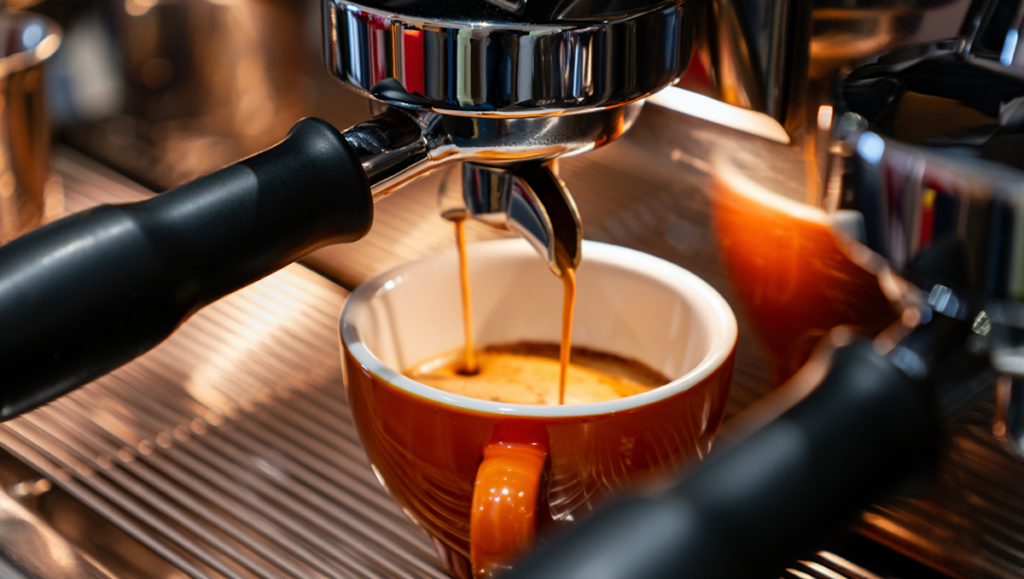
Espresso machines are the pinnacle of coffee engineering. They work by forcing hot water through a tightly packed “puck” of finely ground coffee at approximately 9 bars of pressure. This process produces a thick, concentrated liquid topped with a golden layer of foam known as “crema.”
- Pros: Produces the most intense flavor; capable of making lattes, cappuccinos, and macchiatos; offers the highest level of control.
- Cons: Higher learning curve; often more expensive; requires regular maintenance and a high-quality burr grinder.
- Who they’re for: For the true enthusiast who views coffee as a craft and enjoys milk-based specialty drinks.
If you want to dive deeper into specific models and extraction techniques, check out our comprehensive espresso machines guide.
Drip Coffee Makers
The drip coffee makers are the backbone of the American kitchen. They work on a simple principle: hot water drips over a bed of medium-ground coffee held in a paper or metal filter, eventually collecting in a carafe below.
- Pros: Extremely easy to use; can brew large batches (up to 12 cups) at once; often features programmable timers.
- Cons: Less flavor complexity compared to manual methods; can sometimes produce “burnt” flavors if left on a warming plate too long.
- Best use cases: Families, offices, or anyone who needs a reliable, high-volume caffeine fix every morning.
For a list of top-rated hardware in this category, see our review of the best drip coffee makers.
Single-Serve Coffee Makers
Convenience is king with single-serve coffee makers. These machines use pre-measured pods or capsules to deliver a consistent cup of coffee in under a minute with virtually zero cleanup.
- Pros: Speed; consistency; no wasted coffee; variety of flavors available.
- Cons: Higher cost per cup; environmental impact of plastic pods; limited control over brew strength.
Explore the most efficient models in our guide to single-serve coffee makers.
Portable Coffee Makers
For the traveler or camper, portable coffee makers offer the ability to enjoy a high-quality brew without a power outlet. These usually rely on manual pressure or vacuum seal technology.
- Pros: Lightweight; durable; no electricity required; great for travel.
- Cons: Usually makes only one cup at a time; requires a separate heat source for water.
Check out our favorites in the portable coffee makers section.
How Coffee Makers Work (Simple Explanation)
While designs vary, most coffee makers follow a specific scientific process to extract solubles from the bean.
Total Time: 5–10 minutes
Tools Required:
- Fresh water
- Coffee beans
- A grinder (burr preferred)
- Paper or permanent filters
- A heating element (built into the machine)
Step-by-Step Brewing Process
- Heating: The machine draws water from a reservoir and passes it through a heating element, bringing it to the optimal extraction temperature (usually between 195°F and 205°F).
- Saturation: The hot water is dispersed over the coffee grounds. In drip coffee makers, this happens via a showerhead.
- Extraction: The water dissolves the oils and flavors within the grounds. The “bloom” phase (releasing $CO_2$) occurs here.
- Filtration: The liquid passes through a filter, which removes the physical grounds while allowing the brewed coffee to pass through.
- Collection: The coffee flows into a carafe, mug, or espresso shot glass.
Coffee Makers vs Espresso Machines (Comparison Table)
Choosing between a standard coffee maker and an espresso machine depends on your preferred taste profile and how much time you want to spend brewing.
| Feature | Drip Coffee Makers | Espresso Machines |
| Brewing Method | Gravity-based drip | High-pressure extraction |
| Grind Size | Medium (like sea salt) | Fine (like table salt) |
| Serving Size | 8–12 oz (standard cup) | 1–2 oz (concentrated shot) |
| Caffeine Content | Higher per serving (total volume) | Higher per ounce (concentration) |
| Complexity | Simple / One-touch | Moderate to High |
| Average Price | $20 – $200 | $100 – $2,000+ |
Summary Snippet: The main difference between coffee makers and espresso machines is the extraction method. Drip machines rely on gravity to pull water through grounds, resulting in a clean, light body. Espresso machines use high pressure (9 bars) to create a thick, concentrated shot with crema.
How to Choose the Best Coffee Maker (Buying Guide)
To find the best coffee makers for your home, consider these five pillars of selection:
1. Budget
Determine your price ceiling early. While you can find a basic drip machine for under $30, a high-quality espresso setup can cost thousands. If you are looking for a balance of quality and value, check out the best espresso machines under 300.
2. Brew Style
Do you prefer a large mug of black coffee to sip on all morning, or a quick, intense shot of espresso? Your taste preference dictates the technology you need.
3. Capacity
How many people are drinking coffee? A single person might prefer a single-serve coffee maker, whereas a large household or office will benefit from a 12-cup thermal carafe system.
4. Features & Automation
Consider if you want a machine that does the work for you (Super-Automatic) or if you want to control every variable (Manual). Features like built-in grinders, programmable start times, and milk frothers add convenience but also increase the price.
5. Maintenance
All machines require cleaning. Espresso machines generally require more frequent “back-flushing” and descaling compared to simple drip systems.
Recommended Coffee Makers
Instead of looking for a specific brand, look for the category that fits your life:
- Best for Beginners: Pod-based systems or simple 5-cup drip machines with a single “On” switch.
- Best for Small Apartments: Slim-profile single-serve coffee makers or manual pour-overs like a Hario V60.
- Best for Coffee Aficionados: Semi-automatic espresso machines with a PID controller for temperature stability.
- Best for Busy Mornings: Programmable drip machines that have your coffee ready the moment you wake up.
Best Coffee Beans for Each Machine Type
The machine is only half the equation; the beans are the soul of the drink.
- For Espresso: You want beans roasted to a medium-dark or dark level. These provide the oily richness and low acidity needed for pressure extraction. Look for the best espresso beans to get that perfect crema.
- For Drip & Pour-Over: Lighter roasts are excellent here, as the longer contact time allows the subtle floral and fruity notes of the bean to shine.
- For Cold Brew: Use a coarse grind and a dark roast to ensure a smooth, chocolatey finish without bitterness. Find our top picks for the best beans for cold brew.
Maintenance Tips (Snippet-Ready)
To keep your coffee makers running efficiently, you must perform three main tasks: Cleaning (daily removal of oils and old grounds), Descaling (every 3-6 months to remove calcium buildup), and Filter Replacement (per manufacturer instructions). Regular maintenance ensures flavor purity and extends the lifespan of your machine’s internal heating elements.
Frequently Asked Questions (FAQ Schema)
What is the best type of coffee maker for beginners?
For most beginners, a drip coffee maker or a single-serve pod machine is best. They require the least amount of technical knowledge and provide a consistent cup of coffee with minimal effort.
Are espresso machines worth it?
If you spend $5 a day at a coffee shop, a home espresso machine usually pays for itself within a year. However, they do require more time to operate and maintain than standard coffee makers.
How long do coffee makers last?
A well-maintained drip machine typically lasts 5 to 10 years. High-end manual espresso machines can last 15+ years if parts like gaskets and O-rings are replaced regularly.
What is the difference between espresso and drip coffee?
The difference lies in the pressure and the grind. Espresso is forced through fine grounds at high pressure, while drip coffee relies on gravity and medium grounds. This results in espresso being much more concentrated.
Can I use regular coffee beans in an espresso machine?
Yes, “espresso beans” are simply beans roasted and blended for that specific brewing style. You can use any bean, but the flavor may vary significantly depending on the roast profile.
Why does my coffee taste bitter?
Bitterness is often a sign of “over-extraction.” This happens if your water is too hot, your grind is too fine, or you are brewing for too long.
How often should I descale my machine?
In areas with hard water, you should descale every 2 to 3 months. If you have soft water, you can wait up to 6 months.
Is a burr grinder necessary?
While not a part of the machine itself, a burr grinder is the most important accessory for coffee makers. It ensures uniform particle size, which is the secret to professional-grade coffee at home.